
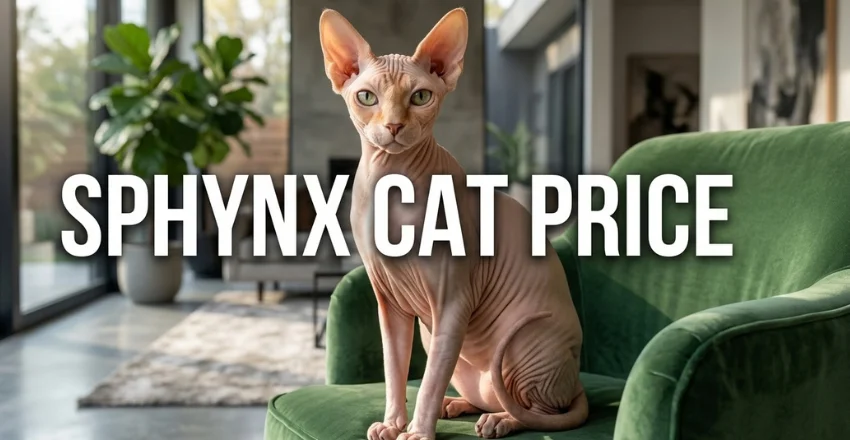
A Sphynx can cost much more than an average household cat. For U.S. buyers, the Sphynx cat price usually falls between $1,500 and $4,500 from reputable breeders. Premium show or breeding lines can exceed that range, while rescue adoption often costs far less.
Expect to spend about $1,500 to $4,500 for a well-bred kitten in the United States. Some premium lines cost $5,000 or more, while rescues may charge only a few hundred dollars. Your true budget should also include supplies, routine veterinary care, grooming products, food, and possible cardiac screening.
| Cost area | Typical U.S. planning range | What may be included |
|---|---|---|
| Reputable breeder kitten | $1,500–$4,500 | Registration, early vaccines, health records, socialization, sometimes spay or neuter |
| Premium show or breeding lines | $4,000–$10,000+ | Higher-tier pedigree, show traits, breeding rights, or rare features |
| Rescue or rehoming | About $75–$400 | Often basic veterinary care, microchip, or spay/neuter |
| Initial vet care and supplies | About $350–$700 | Exam, vaccines if needed, carrier, litter setup, bed, bowls, toys |
| Ongoing ownership | Varies by cat and location | Food, litter, grooming supplies, dental care, insurance, and veterinary visits |
Current breeder, rescue, and setup ranges vary by seller and location. Recent sources show substantial differences between pet kittens, premium lines, and adoption routes. Treat these figures as planning ranges rather than guaranteed prices.
Key Takeaway for U.S. Buyers
The purchase fee is only part of the budget. A lower sticker price can become expensive if health testing, vaccines, or sterilization are missing. Buyers should compare what is included, not only the number on the listing.
How Much Does a Sphynx Usually Cost in the United States?
Current U.S. sources place reputable breeder pricing across a broad range. Catster lists many kittens around $1,500 to $4,500. Chewy gives a common range of $1,500 to $3,000. Individual catteries may price below or above those figures based on their program and inclusions.
A recently updated U.S. breeder page lists standard kittens at $1,900 to $2,700. Another California breeder advertises current kittens from $1,350 to $1,800. These examples show why one national average cannot describe every reputable breeder.
Prices rise sharply for show prospects, breeding rights, uncommon traits, or exceptional pedigrees. One 2026 market review found some show-tier listings reaching $10,000 or more. Those prices are not typical for a family seeking a pet-quality companion.
What Drives the Sphynx Cat Price in the U.S.?
Health screening is one major cost behind responsible breeding. TICA says the breed faces a known risk of hypertrophic cardiomyopathy, often called HCM. The organization recommends echocardiogram screening by a veterinary cardiologist for breeding cats.
Pedigree and purpose also affect the final fee. Pet-quality kittens usually cost less than cats sold with breeding rights or strong show potential. Color, eye traits, region, breeder reputation, and delivery can also change the price.
Included services matter because they can reduce later expenses. Some breeders include vaccinations, sterilization, deworming, registration papers, and a written health guarantee. Compare contracts carefully so you know which costs remain after pickup.
Breeder, Rescue, or Rehoming: How Prices Compare
Buying from a responsible breeder usually costs the most upfront. That fee may reflect health screening, planned pairings, socialization, records, and early veterinary care. A good breeder should explain these items clearly before accepting a deposit.
Rescue and rehoming can cost much less, although availability is limited. Published estimates range from about $75 to $400 for many rescue situations. Adoption may also include sterilization, vaccines, or microchipping, which improves the value.
An adult retired from a breeding program can fall between those two options. The price may be lower than that of a young kitten, while the cat may have a known temperament. Ask for the same health history and medical records you would request for any adult cat. Elsewhere on the site: Somali Cat Guide for U.S. Homes.
What Should a Responsible Breeder Include?
A strong breeder should make health information easy to review. TICA maintains breeder listings and identifies member breeders who have signed its Code of Ethics. Registration alone is not a substitute for checking records, contracts, and screening practices.
Use this checklist before paying a deposit:
- Ask for recent HCM screening information for the parents.
- Request vaccination, deworming, and veterinary records.
- Confirm whether spay or neuter is already completed.
- Read the health guarantee and return policy.
- Verify registration claims through TICA or CFA.
- Ask when the kitten can leave and how it was socialized.
- Avoid payment methods that remove buyer protections.
Price should never be the only trust signal. A high fee doesn’t prove excellent breeding, and a low fee doesn’t automatically prove fraud. Documentation, transparency, health practices, and a clear contract matter more.
First-Year Costs Beyond the Purchase Fee
A simple first-year budget should start with the acquisition price. Lemonade estimates initial veterinary care around $200 to $400 and essential supplies around $150 to $300. That means startup spending can add roughly $350 to $700 before recurring costs.
Your ongoing expenses will include food, litter, bathing supplies, ear-care products, and routine veterinary care. Insurance can add another monthly expense if you choose coverage. Costs also vary by region, diet, health needs, and product quality.
Sphynx cats need more skin and ear care than many coated breeds. TICA notes that their skin can become oily and their ears collect wax more readily. Those needs are manageable, but they should be part of your ownership budget.
Why Health Screening Matters Before You Buy
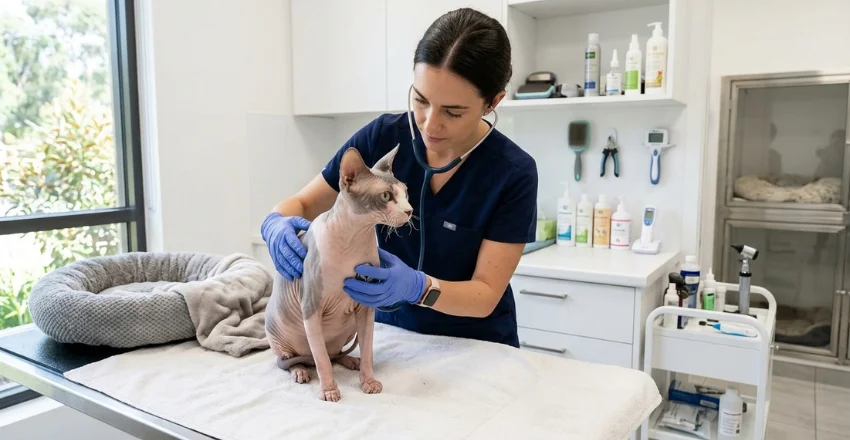
HCM deserves special attention because it can affect this breed. TICA says echocardiograms remain important because the disease may appear later in life. A DNA result can provide risk information, but it does not replace cardiac imaging.
CFA also identifies HCM among breed-specific health concerns. The association notes that responsible testing helps breeders manage inherited health risks. Buyers should ask how often the parents are screened and who performs the scans.
This is one reason bargain pricing deserves careful review. Skipped screening can lower a breeder’s costs while shifting future risk to the buyer. A cheap kitten can become financially and emotionally costly if serious illness appears.
Are Cheap Sphynx Listings Always a Scam?
No single price proves that a listing is fraudulent. Rescue cats, retired adults, and coated kittens from some lines may legitimately cost less. The safer approach is to verify the seller, records, kitten, and payment process.
Be cautious when a seller refuses live video, documentation, or direct questions. Sudden pressure to pay with gift cards or other irreversible methods is another warning sign. Reputable breeders should be willing to discuss health practices and contracts.
If you are researching cat safety before bringing a new pet home, Knosten also covers common household risks. Its rose safety guide for cat owners explains plant, chemical, and thorn hazards. You can also browse Knosten’s Pets section for additional animal-care topics.
Is a Sphynx More Expensive to Maintain Than Other Cats?
It can be, especially when medical monitoring or specialized care is needed. These cats often need regular skin cleaning, ear care, temperature management, and quality nutrition. Veterinary expenses remain the largest unpredictable part of any pet budget.
The breed is not truly hypoallergenic, despite lacking a normal coat. Both TICA and Chewy note that allergens can still come from skin and saliva. Spend time with the breed before buying if allergies are a concern.
Owners should also plan for indoor living and temperature control. Hairlessness makes these cats more vulnerable to cold and sun exposure. Warm bedding, safe indoor spaces, and sensible sun protection add comfort without requiring luxury products.
How to Set a Realistic Buying Budget
Start with a price range you can afford without dipping into emergency savings. Then add the known setup costs and a reserve for veterinary care. This approach prevents the purchase fee from consuming the entire pet budget.
Next, compare breeders by inclusions rather than headline price. A $2,500 kitten with screening, vaccines, sterilization, and records may offer better value than a cheaper listing. The contract should state what is included and what remains your responsibility.
Finally, decide whether a kitten is the only acceptable option. Rescue, rehoming, or a retired adult may lower acquisition costs. Browse Knosten’s latest guides as you prepare your home and care routine for a new companion.
Frequently Asked Questions
What is the average Sphynx cat price in the U.S.?
Many U.S. sources list pet-quality breeder kittens at around $1,500 to $4,500. Some reputable catteries list lower or higher prices based on their program. Premium show or breeding lines can cost several thousand dollars more.
Why are Sphynx cats so expensive?
Responsible breeding can include cardiac screening, genetic testing, veterinary care, registration, and extensive early socialization. Small breeding programs also spread those costs across fewer kittens. Show traits, breeding rights, and uncommon features can raise prices further.
Is adopting one cheaper than buying from a breeder?
Yes, adoption or rehoming usually costs much less than buying a kitten. Published rescue estimates often fall below a few hundred dollars. Availability is limited, so buyers may need patience and a wider search radius.
Are Sphynx cats hypoallergenic?
No cat breed is completely hypoallergenic. Sphynx cats can still produce allergens through their skin and saliva. People with allergies should spend time with the breed before committing.
Should I buy a kitten priced under $1,000?
A low price should trigger extra verification, not an automatic rejection. Ask for health records, breeder registration, parent screening, and a written contract. Avoid any seller who pressures you to use irreversible payment methods.
Bottom Line
For most U.S. buyers, a responsible purchase budget starts in the low four figures. The cheapest listing isn’t always the lowest-cost path once you factor in missing veterinary care or screening. Focus on documented health practices, clear inclusions, and a budget that leaves room for ongoing care.
Knosten readers can also review the site’s cat-safety coverage before preparing a home for a new pet. Practical household planning matters as much as the initial purchase decision. A well-researched budget makes it easier to choose a cat without creating avoidable financial strain.