Floods can leave behind more than just visible water damage; they create ideal conditions for mold growth. Within 24 to 48 hours of flooding, mold spores begin to thrive in damp environments, infiltrating walls, floors, and furniture. The aftermath can pose serious health and structural risks if not handled correctly. Engaging a professional mold removal specialist in Atlanta is essential to ensure thorough cleanup, moisture control, and complete property restoration.
The Hidden Threats After Flood Damage
Floodwater carries organic matter, bacteria, and debris that seep into porous materials, fueling mold growth long after the water is removed. While visible damage is often addressed quickly, hidden moisture within insulation, wood, or drywall provides an ongoing breeding ground for mold. This contamination can compromise structural integrity and release airborne spores, compromising indoor air quality.
Mold damage extends beyond cosmetic concerns. It weakens wooden structures, corrodes metal, and stains surfaces, leading to long-term deterioration if left unremediated. For homeowners, addressing this issue promptly is vital to prevent costly reconstruction and ensure a safe living environment. Specialists are trained to identify moisture pockets and affected materials that are not visible to the naked eye, thereby mitigating risks before they escalate.
How Specialists Manage Flood-Related Mold
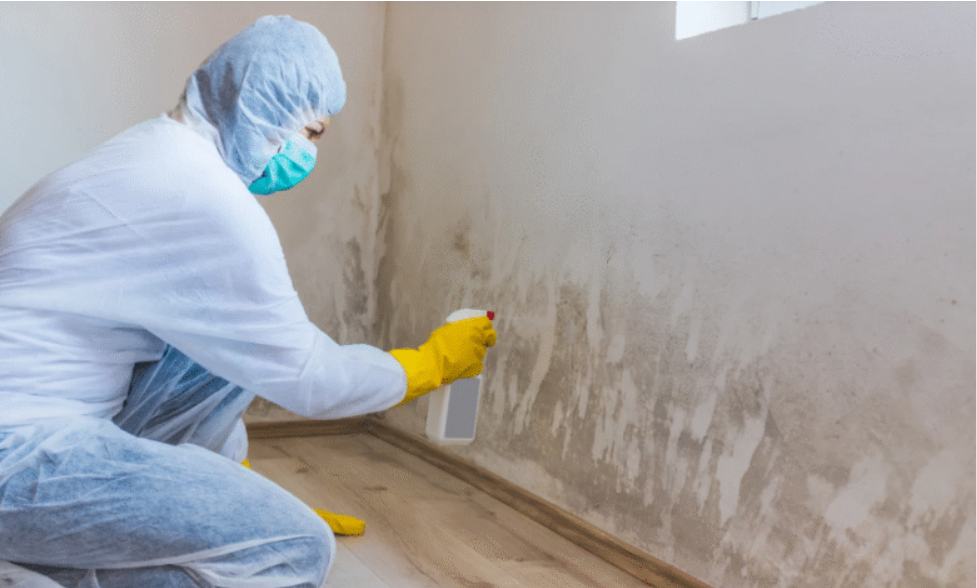
Professional mold removal involves much more than cleaning visible patches. Specialists use industry-grade containment systems to isolate contaminated zones and prevent the spread of spores during removal. They employ air filtration, drying, and sanitization techniques that restore the environment to safe conditions.
Understanding the difference between mold removal and mold remediation is critical in post-flood recovery. Mold removal targets existing colonies, while remediation addresses the underlying causes, such as trapped humidity or water intrusion. This dual approach not only eradicates existing mold but also prevents its return. By thoroughly drying structures and restoring proper ventilation, specialists create a mold-resistant environment that safeguards both property and health.
Professionals also conduct post-treatment assessments to confirm that moisture levels remain stable and the air quality meets safety standards. Their expertise ensures comprehensive restoration, minimizing the risk of recurring growth or hidden contamination.
Health and Safety Considerations
Flood-related mold poses serious health risks. Prolonged exposure can lead to respiratory irritation, allergies, and, in severe cases, infections. Children, the elderly, and individuals with weakened immune systems are particularly vulnerable. Certified specialists follow strict safety protocols, including the use of protective gear and advanced containment systems, to prevent cross-contamination during removal.
These experts use eco-friendly antimicrobial solutions to disinfect affected areas, ensuring the property is safe for reoccupation. Their interventions not only protect structural components but also create a healthier environment for occupants. Proper remediation also reduces odors and eliminates lingering allergens after flood damage.
The Long-Term Value of Professional Intervention
Timely mold removal prevents contamination spread and reduces restoration costs. Beyond immediate cleanup, specialists help homeowners protect the property’s long-term value. Mold left untreated can devalue real estate and complicate future sales due to structural or air quality issues.
Professional inspections and remediation services ensure compliance with building standards and insurance requirements. They also provide detailed documentation for insurance claims, streamlining the recovery process. By restoring both safety and stability, mold specialists enable homeowners to regain peace of mind after flood-related disasters.
Conclusion
Recovering from flood damage demands more than drying and surface cleaning. Mold can infiltrate deep within a property, threatening both its structure and the health of its occupants. Engaging certified mold removal specialists guarantees a comprehensive assessment, safe removal, and long-term prevention. Their expertise transforms flood-damaged spaces into secure, habitable environments, ensuring lasting protection and resilience against future mold growth.