Plumbing systems in commercial buildings are complex and handle large volumes of water daily. From restrooms and kitchens to sprinkler systems and industrial fixtures, every component plays a vital role in maintaining operational efficiency. However, without proper upkeep, even minor plumbing issues can quickly escalate into costly disruptions. Engaging experienced professionals for industrial plumber repairs in Oklahoma ensures that businesses maintain reliable plumbing performance while minimizing the risk of system failures.
The Most Common Plumbing Challenges
Commercial plumbing systems experience heavier use than residential ones, making them more susceptible to wear, leaks, and blockages. Identifying the most common issues helps facility managers take preventive measures before they cause downtime or damage.
Leaking Pipes and Fixtures
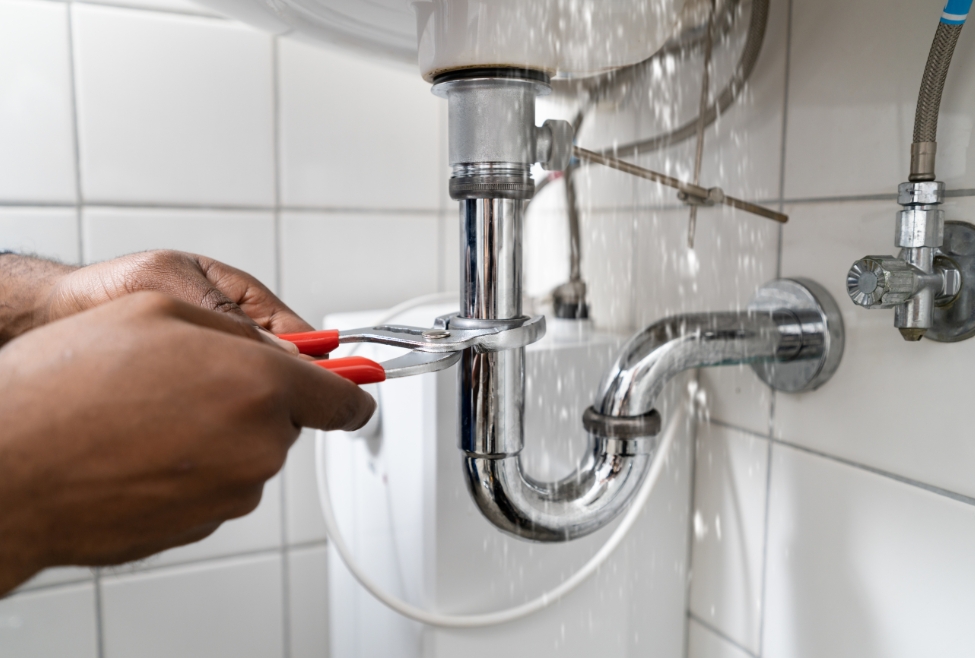
Leaks are among the most frequent issues in commercial plumbing. They often develop in aging pipes, high-pressure systems, or corroded joints. While small leaks might appear harmless, they can waste thousands of gallons of water over time and significantly increase utility costs. Regular inspections and timely replacement of worn components can prevent such waste and reduce potential water damage.
Clogged Drains and Sewer Lines
High-traffic restrooms, kitchens, and janitorial areas contribute to recurring blockages. Grease, soap, and debris can accumulate inside drains, leading to clogs and slow water flow. In severe cases, blockages can cause unpleasant odors and backflow problems. Preventive cleaning, drain maintenance schedules, and installing proper filtration systems can help maintain smooth operation.
Water Pressure Problems
Fluctuating or inconsistent water pressure is another widespread issue in large buildings. Excessive pressure can damage pipes and fixtures, while low pressure disrupts everyday operations. Regular monitoring and professional calibration of pressure-regulating valves ensure balanced and stable water flow throughout the system.
The Role of Professional Expertise
Addressing commercial plumbing issues requires more than quick fixes—it demands specialized knowledge. Each plumbing category serves a unique function within a building’s infrastructure. Understanding the different types of plumbers and their roles is crucial for selecting the right professionals for specific maintenance or repair needs. For instance, industrial plumbers are trained to handle large-scale systems, high-capacity water heaters, and complex piping networks that standard plumbing contractors may not be equipped to manage.
Routine professional inspections enable early detection of pipe corrosion, valve deterioration, and hidden leaks that could otherwise go unnoticed. This proactive approach minimizes emergency repairs and maintains compliance with safety and building standards.
Preventive Maintenance for Long-Term Reliability
Preventive maintenance is the cornerstone of efficient plumbing management. Scheduled servicing includes inspecting pipe joints, testing water flow, cleaning drains, and checking fixture integrity. Implementing a maintenance plan not only enhances performance but also extends the lifespan of critical plumbing infrastructure.
Facility managers should also consider installing advanced monitoring systems that detect leaks and water pressure fluctuations in real time. Such technologies provide actionable insights that help prevent major damage and costly repairs.
Environmental and Cost Benefits
Beyond operational efficiency, proactive plumbing care delivers substantial economic and environmental benefits. By reducing leaks and water waste, businesses lower their utility costs and contribute to sustainability goals. Efficient plumbing systems also conserve energy by optimizing water heating and distribution, aligning with corporate environmental responsibility initiatives.
Moreover, consistent maintenance prevents disruptions that can lead to downtime, property damage, and health code violations—protecting both the company’s reputation and its bottom line.
Conclusion
Commercial plumbing issues, if left unchecked, can lead to significant operational and financial setbacks. Routine maintenance, expert inspection, and timely repairs are essential for ensuring smooth performance and preventing emergencies.
In a demanding environment like Oklahoma’s commercial sector, prioritizing professional plumbing services is not just preventative—it’s strategic. By investing in regular servicing and infrastructure upkeep, businesses secure long-term reliability, cost efficiency, and sustainability in every operation.