
Mold behind wallpaper is one of the most overlooked threats in homes. It often spreads unnoticed, feeding off trapped moisture between the wall and wallpaper. While it may not be visible on the surface, it can still degrade air quality and cause health issues. That’s why homeowners often turn to professionals for mold removal in Atlanta to uncover and address what lies beneath.
If left unchecked, hidden mold can compromise wall structure and trigger respiratory reactions. Understanding the early signs is key to identifying and eliminating the issue before it escalates.
Why Mold Grows Behind Wallpaper
Wallpaper creates a perfect environment for mold when moisture is present. Poor ventilation, high humidity, or even minor leaks can cause moisture to accumulate behind wallpaper. Once the adhesive and paper backing absorb that moisture, it becomes a prime breeding ground for mold. Over time, the problem spreads beyond what’s visible, into drywall, framing, and insulation.
This concern goes beyond just property damage. When exploring whether household mold affects your gut health, the answer reveals just how far-reaching mold exposure can be. Mold spores don’t just impact lungs; they may also affect the digestive and immune systems, especially with prolonged exposure in a sealed environment.
Warning Signs to Watch For
You won’t always see mold, but your home will show subtle signs if you know where to look.
Surface and Structural Changes
- Peeling, bubbling, or warping wallpaper without an obvious cause
- Stains or discoloration bleeding through from behind the paper
- Soft spots or moisture when you press lightly against the wall
Odors and Indoor Environment
- Persistent musty or damp smells, especially in rooms with wallpaper
- Increased allergy-like symptoms indoors, sneezing, coughing, irritated eyes, that subside when leaving the home
Environmental Triggers
- High humidity levels above 50%
- History of leaks, poor ventilation, or previous water damage
- Wallpaper applied to exterior-facing walls prone to condensation
How to Confirm Mold Behind Wallpaper
Visual signs are just one layer; professional techniques go deeper. Start with a flashlight at an angle to reveal irregularities in texture, lifting areas, or subtle bubbling. Check baseboards, wall corners, and any area where humidity might collect. If there’s visible discoloration or damage, it may be necessary to peel back a small, discreet section of wallpaper to confirm.
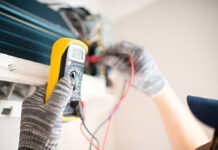
More advanced detection involves moisture meters and thermal imaging to find damp zones behind the wall. When mold is suspected in larger or hard-to-reach areas, contacting trained professionals is the safest and most effective approach. They assess the full extent of contamination without causing unnecessary damage.
The Risk of Ignoring Hidden Mold
Mold behind wallpaper rarely stays put. Once it takes root, it can penetrate walls, damage insulation, and circulate spores through the air system. DIY cleaning won’t reach the source or fix the moisture issue. Professional remediation ensures the mold is removed safely and the root cause is corrected to prevent recurrence.
Left unresolved, hidden mold can compromise indoor air quality, worsen chronic health conditions, and lead to costly structural repairs.
Conclusion
Mold hidden behind wallpaper is easy to miss and dangerous to ignore. From subtle signs like bubbling wallpaper to persistent odors and unexplained health symptoms, the clues are there if you know where to look. Early detection and timely intervention by professionals ensure your walls and your air stay clean, dry, and safe. Acting quickly protects both your home and your long-term well-being.