
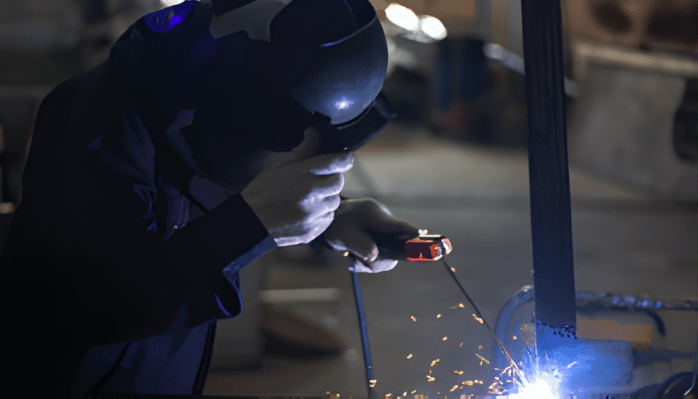
Welding environments generate a significant amount of airborne particles that can affect both worker safety and the condition of nearby equipment. As industries move toward cleaner, more efficient workspaces, the role of welding fume exhaust units becomes increasingly essential. These systems are designed to capture fumes at the source, preventing contaminants from settling on valuable tools, machinery, and stored materials. The cleaner the environment, the longer the equipment lasts and the more reliable the day-to-day operations become. Understanding how these units protect facilities helps highlight their importance in maintaining quality and efficiency across welding operations.
Preventing Contaminant Buildup on Machinery
One of the primary concerns in welding settings is the accumulation of fine particles on machinery surfaces. Over time, metal fumes and microscopic debris can settle inside sensitive components, leading to wear, overheating, or malfunction. Exhaust units address this by capturing particles before they disperse into the workspace, reducing the risk of buildup on high-value assets.
Without proper fume control, equipment may require frequent cleaning or unexpected maintenance due to internal contamination. This not only increases operational costs but can also impact production schedules. Reliable exhaust units help maintain machinery performance, keeping operations smooth and reducing the likelihood of premature equipment failure.
Protecting Precision Instruments and Electronics
Fume particles can be especially harmful to electronic equipment used for welding automation, measurement, or quality control. By keeping the air clean, facilities protect sensitive devices from corrosion, dust intrusion, and electrical interference.
Preserving Stored Materials and Inventory
In addition to protecting machinery, controlling airborne contaminants prevents damage to stored inventory. Welding fumes can settle on metals, consumables, and raw materials, leading to discoloration, corrosion, or reduced shelf life. Exhaust systems maintain a cleaner environment, ensuring that stored items remain in optimal condition until they are needed.
This is particularly important for facilities handling metals, paints, coatings, or materials sensitive to airborne chemicals. Clean storage conditions help maintain product integrity, reduce waste, and support a more organized workflow across the facility.
Minimizing contamination keeps consumables such as welding wire, tips, and abrasives performing as expected. With fewer particles settling on them, supplies stay cleaner and last longer.
Supporting Facility-Wide Air Quality
While fume extraction at the welding station is critical, many facilities integrate broader solutions to support full-workspace air circulation. Incorporating a system like a smoke extractor for welding enhances the overall air quality, especially in high-production environments where multiple welding processes occur simultaneously.
Clean air contributes not only to equipment longevity but also to a healthier atmosphere for workers. Better visibility, reduced odors, and fewer airborne particles create a more comfortable and efficient workspace. High-quality exhaust systems help maintain this balance by filtering out harmful contaminants before they travel beyond the welding area.
Cleaner air means fewer particles settling on floors, racks, storage areas, and worktables. This reduces the effort required for facility cleaning while improving the appearance and professionalism of the workspace.
Conclusion
Protecting equipment and materials from fume contamination is essential for maintaining a productive and dependable welding environment. Effective exhaust units play a vital role in preventing particle buildup, preserving inventory condition, and supporting consistent workstation cleanliness. With cleaner surroundings, facilities experience fewer equipment issues, better material quality, and improved long-term operational efficiency.
A controlled environment also contributes to more predictable maintenance schedules, reducing unexpected breakdowns and extending the lifespan of valuable machinery. As fumes are captured before they settle, the entire workspace stays cleaner, safer, and more organized. Over time, this creates a more dependable welding operation where equipment performs at its best, materials remain protected, and productivity continues without unnecessary interruption.