
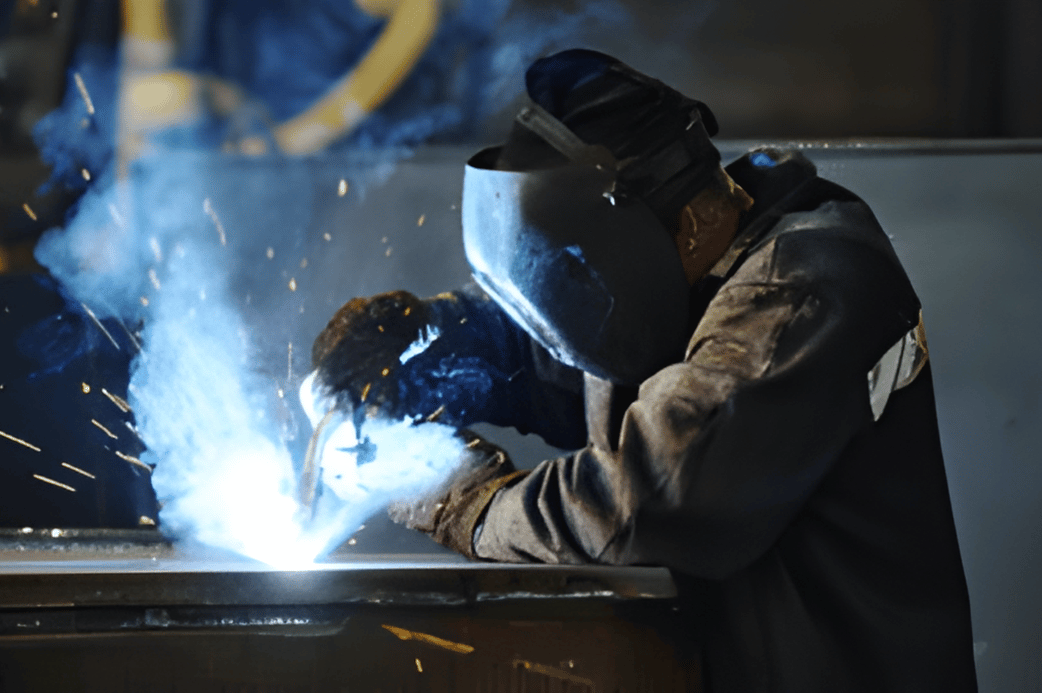
Maintaining a safe and efficient welding environment requires more than skill and protective gear. Airborne contaminants produced during welding can affect both short-term comfort and long-term health, making air-quality control essential. This is why a welding fume extractor plays a significant role in today’s industrial and fabrication settings. Beyond safety, proper fume extraction also enhances daily workflow, reduces disruptions, and supports overall productivity. When integrated into professional operations, it contributes to a cleaner, more compliant, and more dependable workspace.
How Fume Extraction Supports Worker Health
Understanding the health implications of welding fumes highlights why proper filtration is non-negotiable. Welding fumes contain fine particles, gases, and vapors that can enter the respiratory system. Prolonged exposure can contribute to breathing difficulties and discomfort, which ultimately affects worker endurance throughout the day.
A high-quality fume extraction system captures harmful particles at the source before they can spread into the breathing zone. This process ensures a cleaner environment and reduces the concentration of airborne contaminants. When workers operate in cleaner air, they experience less fatigue, fewer distractions, and improved overall well-being. The result is a healthier workforce capable of maintaining consistent performance.
Reduction of Exposure-Related Fatigue
Even low levels of fumes can create physical stress over time. Professional fume extraction not only protects long-term health but also prevents the daily strain caused by inhaling irritants. Workers with proper fume control maintain sharper focus, higher energy levels, and greater comfort throughout their shift.
Enhancing Productivity Through Cleaner Air
Cleaner air directly contributes to more efficient work environments Welding produces smoke that can obscure visibility, disrupt precision, and cause unnecessary downtime. By removing fumes rapidly and effectively, extraction systems keep the workspace clear, allowing welders to maintain accuracy in their work without frequent interruptions.
A well-managed environment also minimizes the need for extra ventilation adjustments or cleanup caused by lingering contaminants. This streamlined workflow means teams can complete tasks faster, maintain high-quality results, and meet project timelines more reliably. These advantages demonstrate how clean air contributes not only to safety but also to operational excellence.
Consistent Performance and Fewer Interruptions
Stable visibility and reduced irritation allow welders to sustain longer periods of focused work. This uninterrupted concentration leads to consistent output and improves the overall pace of production.
Considering System Efficiency and Cost Factors
When exploring equipment options, many professionals evaluate performance, reliability, and long-term value. Factors such as airflow strength, filter quality, and ease of maintenance determine how well a system will serve a busy welding environment. It is also common for teams to assess the welding fume extraction system cost, ensuring they select a solution that meets both performance expectations and operational budgets.
Understanding these considerations helps ensure that the chosen system supports the work environment effectively while offering strong long-term value.
Conclusion
A dependable fume extraction setup is essential for any workspace where welding is performed regularly. It enhances worker comfort, supports respiratory protection, and helps maintain a cleaner environment that contributes to accuracy and productivity. By ensuring that harmful fumes are controlled at the source, operations become more efficient, workflows remain uninterrupted, and workers experience better overall conditions. Investing in the right technology strengthens workplace safety standards and fosters a more productive welding environment built for long-term success.