
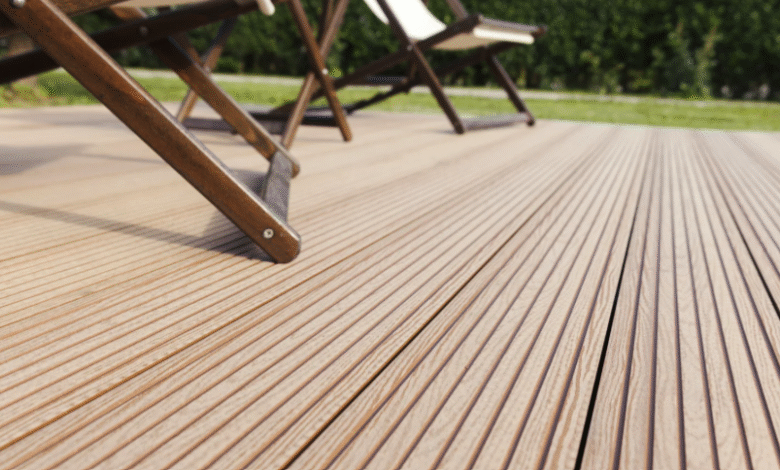
Designing a deck involves more than selecting materials and laying out the layout; it’s about creating a seamless extension of your home that aligns with lifestyle, architecture, and long-term value. Partnering with experts in deck designing in Columbus ensures your project benefits from both creative vision and technical precision. The proper design balances functionality, safety, and visual appeal, turning your outdoor area into a refined, multi-purpose living space.
Understanding Your Space and Purpose
Before finalizing a design, it’s essential to evaluate your property’s existing structure, dimensions, and environmental conditions. A professional designer assesses factors such as slope, sunlight exposure, and accessibility to determine the most suitable configuration. The intended use of the deck significantly influences its layout and features. For example, entertainment-focused decks may require larger platforms, built-in seating, or integrated lighting, while smaller private decks prioritize intimacy and efficiency. By clearly defining the purpose early, homeowners can ensure the design complements their day-to-day activities and aesthetic goals.
Considering Architectural Harmony
A well-designed deck enhances rather than competes with the home’s architecture. Skilled designers take cues from rooflines, siding materials, and window placements to create visual continuity. This integration gives the structure a cohesive, built-in appearance rather than an afterthought addition.
Attention to proportion is equally important. The deck should align with the home’s scale to maintain balance and curb appeal. Whether the property features a modern, rustic, or transitional style, professionals can tailor elements like railing designs, flooring patterns, and color schemes to achieve architectural synergy.
Material Selection and Durability
Choosing the right material determines both the longevity and the maintenance needs of your deck. Modern designs often incorporate composite materials that combine beauty with resilience, offering superior resistance to weather, fading, and decay. These materials provide a sophisticated finish while minimizing ongoing upkeep.
Professionals help evaluate various options, taking into account factors such as climate, budget, and aesthetic preferences. They also provide insights into long-term cost efficiency, ensuring homeowners invest in materials that deliver lasting performance and visual appeal.
Incorporating Functionality and Flow
Beyond appearance, a functional design ensures optimal traffic flow, comfort, and usability. Decks connected to main living areas or kitchens enhance accessibility and convenience, while multi-level layouts can define zones for dining, lounging, and recreation.
Professional designers consider foot traffic patterns, furniture placement, and opportunities for shade when crafting a layout. The result is an outdoor environment that naturally extends the interior living experience while maximizing every available square foot.
Safety and Structural Considerations
Safety is a crucial aspect of deck design that often requires specialized expertise. Professionals understand how to integrate essential safety features without compromising aesthetics. Incorporating proper railing height, slip-resistant surfaces, and secure structural supports ensures a safe and compliant build. Understanding how deck builders integrate safety features into designs helps homeowners appreciate the precision behind these integrations. Professionals ensure that safety elements blend seamlessly into the overall design, offering both protection and visual harmony.
Lighting, Privacy, and Ambiance
Modern deck designs prioritize comfort through lighting and privacy enhancements. Ambient lighting improves usability after dark while highlighting architectural details and landscape features. Privacy screens, planters, and pergolas create intimate zones without obstructing airflow or aesthetics.
Professionals customize these elements to complement the deck’s style, enhancing ambiance and functionality. The result is a cohesive environment that adapts to different moods, occasions, and times of day.
Conclusion
Choosing the right deck design requires a blend of creativity, strategy, and structural awareness. Professional designers evaluate spatial dynamics, material options, and architectural alignment to craft outdoor spaces that are both elegant and enduring. The right design transforms a property’s exterior into a functional extension of the home, enhancing comfort, safety, and overall value for years to come.