
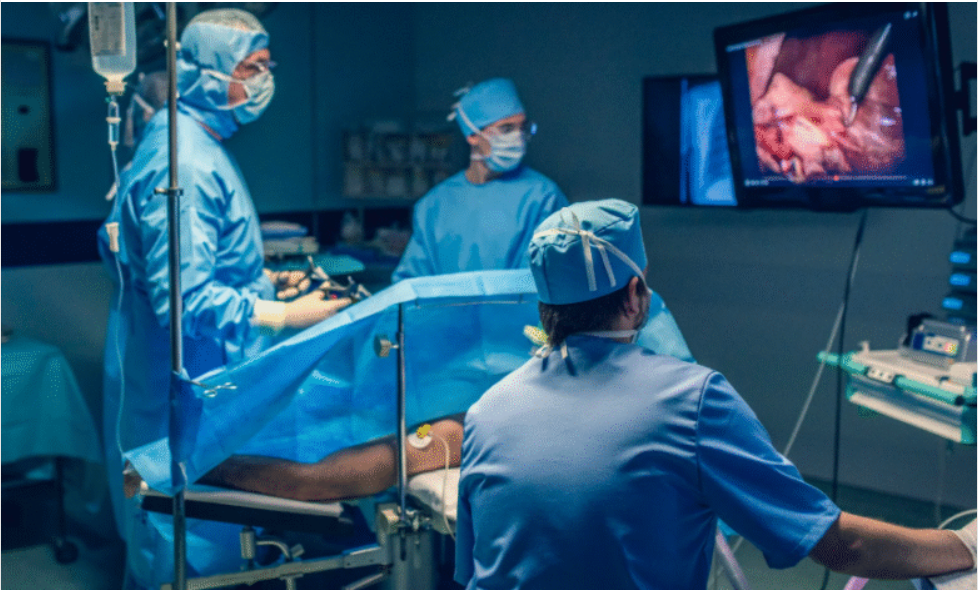
Gastrointestinal (GI) disorders encompass a wide range of conditions, from chronic discomfort to life-threatening diseases. For patients undergoing gastrointestinal surgery in Baltimore, the goal is often to address underlying structural or functional issues that non-invasive methods can’t resolve. GI surgery is a critical intervention for numerous conditions that affect the esophagus, stomach, intestines, and associated organs. These procedures not only alleviate symptoms but also often restore long-term digestive function and quality of life.
Conditions Requiring Gastrointestinal Intervention
Gastrointestinal surgery addresses both benign and malignant conditions. Among the most common are hernias, gallbladder disease, appendicitis, gastrointestinal cancers, and inflammatory bowel diseases (IBD) like Crohn’s disease and ulcerative colitis.
Hernias and Structural Defects
Inguinal, umbilical, and incisional hernias occur when tissue pushes through a weakened section of the abdominal wall. Surgical repair is the only definitive solution, often performed laparoscopically for faster recovery and reduced complications.
Gallbladder Disease and Appendicitis
Gallstones and inflamed gallbladders often lead to biliary colic or infection, necessitating a cholecystectomy. Similarly, acute appendicitis requires immediate surgical removal of the appendix to prevent rupture and peritonitis.
Colorectal Conditions
Colon resections are commonly performed for conditions such as diverticulitis, colorectal cancer, and large polyps. These interventions not only treat disease but also prevent further complications such as bowel obstructions or perforations.
Metabolic and Weight-Related Disorders
In addition to managing acute GI conditions, surgery also plays a significant role in metabolic health. One of the most transformative applications is the use of gastrointestinal procedures to manage obesity and related comorbidities.
Procedures such as bariatric surgery in Baltimore are designed to alter the digestive tract in a way that limits calorie absorption and promotes hormonal changes. These surgical interventions are medically proven to resolve or improve conditions such as type 2 diabetes, sleep apnea, and hypertension, diseases often rooted in obesity.
Cancer-Related Gastrointestinal Procedures
GI cancers, including stomach, colorectal, pancreatic, and esophageal cancers, often require surgical removal of tumors as part of a broader treatment plan. Surgery is frequently paired with chemotherapy or radiation, depending on the stage and location of the disease. The precision and timing of the operation play a significant role in prognosis and long-term recovery.
In these cases, early surgical intervention can be both life-saving and function-preserving, making accurate diagnosis and specialist involvement crucial from the outset.
Post-Surgical Recovery and Monitoring
While modern techniques have minimized hospital stays and improved outcomes, postoperative care remains vital. Patients require professional follow-up to monitor healing, adjust nutritional intake, and detect potential complications early. This continuity of care ensures that the benefits of surgery extend well beyond the operating room.
GI surgeries are not one-size-fits-all, each case requires a customized approach based on patient history, diagnostic imaging, and clinical presentation. Surgical teams assess these factors closely to determine the best procedure and timing for optimal outcomes.
Conclusion
Gastrointestinal surgery addresses a wide spectrum of medical conditions, from structural abnormalities to chronic diseases and cancer. These procedures are often the most effective, and sometimes only, way to restore proper digestive function and prevent further health deterioration.
Whether it’s managing acute emergencies, correcting long-term conditions, or enhancing metabolic health, GI surgery remains a cornerstone of modern digestive care. Backed by professional expertise, it offers patients not just relief, but the potential for a healthier, more functional future.