
Undergoing bariatric surgery is a significant medical decision—one that demands not only personal readiness but also the guidance of an expert surgeon. In high-volume cities with specialized care centers, finding the best bariatric surgeon in NYC can seem overwhelming. However, with the right criteria in place, patients can confidently narrow their choices to a surgeon who aligns with their clinical needs, communication style, and long-term health goals.
Prioritizing Experience and Accreditation
Not all surgeons are equally equipped to perform bariatric procedures. Board certification in general surgery is a baseline, but specialization in bariatric surgery and membership in recognized professional associations, such as the American Society for Metabolic and Bariatric Surgery (ASMBS), are strong indicators of focused expertise.
High procedural volume also matters. Surgeons who perform bariatric operations routinely are more likely to be familiar with the intricacies of various techniques and postoperative complications. This translates into more precise outcomes, reduced risk, and better patient experiences.
Evaluating Clinical Approach and Communication Style
Beyond credentials, the surgeon’s approach to patient care should align with your expectations for transparency, responsiveness, and collaboration. Bariatric surgery is not a one-time event but part of a comprehensive care plan involving pre-op assessments, post-op monitoring, nutritional counseling, and often psychological support.
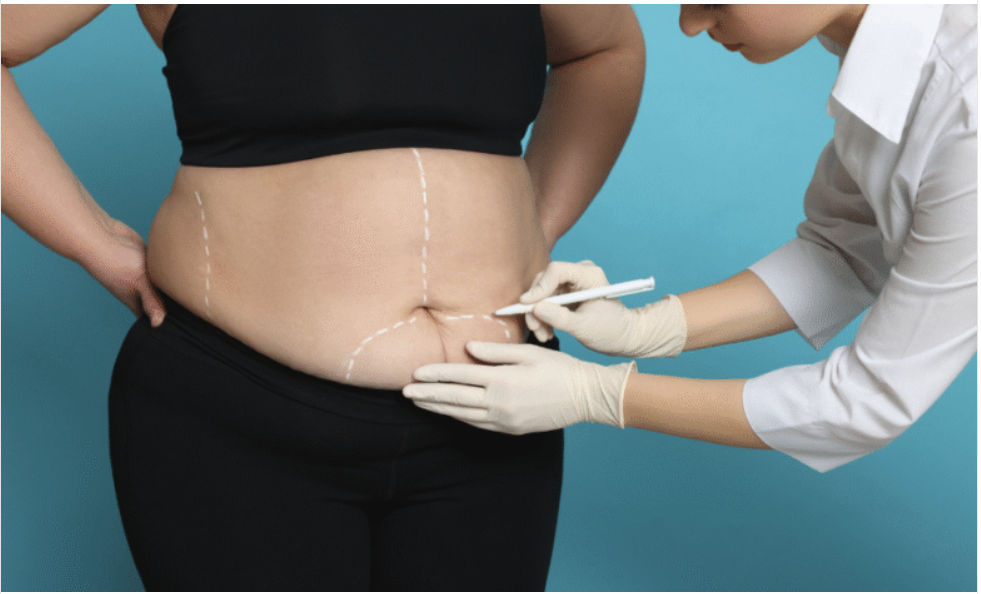
Patients are often curious about what to expect from their first visit to a bariatric surgeon in NYC, especially when approaching this journey for the first time. Typically, that initial consultation should feel structured yet approachable. The surgeon should review your medical history, discuss appropriate procedure options based on your condition, and explain potential risks. A red flag? If the surgeon skips over follow-up protocols or fails to include a multidisciplinary team in your care plan.
Facility Capabilities and Support Infrastructure
A competent surgeon must also operate in a facility equipped with the resources to manage bariatric patients. This includes modern surgical technology, intensive care capabilities, and a team trained specifically in bariatric patient support.
Facilities offering coordinated services—such as in-house nutritionists, bariatric nurses, and post-surgical support groups—signal a commitment to holistic, long-term care. Such infrastructure reduces the risk of complications and promotes more consistent weight loss outcomes through collaborative patient management.
Postoperative Follow-Up and Long-Term Care
The true test of a bariatric surgeon isn’t just the procedure—it’s the quality of care delivered afterward. Consistent follow-ups to monitor nutritional health, metabolic changes, and psychological well-being are essential. The right surgeon will schedule regular check-ins and maintain an open line of communication for any unexpected developments or questions during recovery.
In some cases, revisions or secondary procedures may become necessary. A surgeon’s willingness and capacity to handle complex cases and provide continued care speak volumes about their long-term investment in their patients’ outcomes.
Conclusion
Selecting a bariatric surgeon is a strategic healthcare decision that should be made with precision, not haste. Credentials and experience are only part of the equation. The right choice is someone who prioritizes individualized care, operates within a robust clinical infrastructure, and remains actively involved in every stage of the patient’s transformation.
In a field that blends surgical expertise with metabolic science and lifestyle medicine, finding a professional who brings all these elements together is non-negotiable. Your journey isn’t just about losing weight—it’s about regaining control, improving health, and sustaining results with a surgeon who understands the full spectrum of what that takes.