
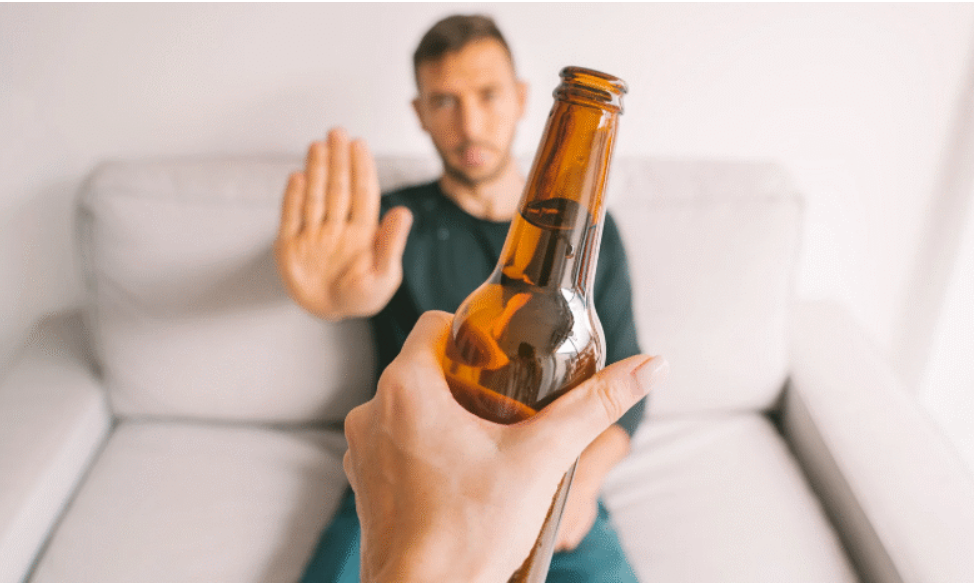
Overcoming alcoholism requires more than just determination; it demands structured support, emotional understanding, and accountability. Group therapy has become one of the most effective tools for individuals seeking lasting sobriety. Through shared experiences and guided sessions, participants learn coping mechanisms, rebuild self-esteem, and regain control of their lives. For those pursuing comprehensive alcoholism recovery in South Florida, group therapy serves as a cornerstone for personal transformation and emotional resilience.
The Power of Shared Healing
Addiction often isolates individuals, creating emotional distance between them and the world around them. Group therapy bridges the divide by providing a space for open communication and connection. Listening to others’ struggles and victories fosters empathy and reminds participants that recovery is a shared journey. This collective experience normalizes challenges and inspires hope through mutual encouragement.
The group setting also enhances accountability. Regular participation reinforces commitment to sobriety, as members rely on one another for support and motivation. This sense of community becomes a driving force in preventing relapse and sustaining long-term recovery.
Emotional Growth and Self-Awareness
Group therapy encourages individuals to confront emotions that have often been suppressed or avoided during addiction. In a safe and structured environment, participants learn to express feelings of guilt, shame, or fear without judgment. Over time, this openness cultivates emotional awareness and helps individuals process past trauma constructively.
Therapists guide discussions that promote self-reflection and personal growth. Members begin to recognize behavioral patterns that contribute to addiction, enabling them to develop healthier coping mechanisms. The result is not only emotional healing but also a renewed sense of identity grounded in self-acceptance.
Building Communication and Coping Skills
Addiction often disrupts interpersonal relationships, leading to conflict and mistrust. Group therapy helps restore these essential life skills by emphasizing effective communication and emotional regulation. Participants practice active listening, empathy, and conflict resolution tools that extend far beyond the recovery setting.
Additionally, members learn strategies for managing triggers and stressors that could jeopardize their progress. Discussing real-life scenarios within the group allows individuals to test new coping techniques in a supportive space, reinforcing behavioral change and resilience.
Strength in Diversity and Perspective
Each participant in group therapy brings unique experiences, backgrounds, and insights. This diversity enhances the therapeutic process by broadening understanding and fostering tolerance. Members often find inspiration in others’ journeys, recognizing that recovery can take many forms but that they share a common goal: lasting sobriety. Furthermore, exposure to different recovery paths encourages flexibility in thinking. Participants learn that setbacks are not failures but opportunities to reassess and strengthen their wellness approach.
Understanding the Science of Recovery
Healing from addiction also requires understanding how alcohol affects the body and mind. Understanding how long alcohol stays in your system helps individuals comprehend the physiological side of dependence and the importance of maintaining abstinence. When combined with emotional and psychological therapy, this knowledge empowers individuals to make informed decisions and remain proactive in their recovery.
Long-Term Support and Relapse Prevention
Group therapy continues to play a vital role even after initial treatment. Many individuals choose to remain involved in support groups to reinforce accountability and maintain social connections. The relationships built in therapy often evolve into lifelong networks that provide strength during challenging times.
These ongoing connections ensure that individuals never face recovery alone. Through continuous engagement, members learn to recognize early signs of relapse and respond effectively, preserving their progress and mental well-being.
Conclusion
Group therapy transforms the recovery process by replacing isolation with community, shame with understanding, and fear with empowerment. It builds emotional resilience, strengthens communication, and fosters lifelong coping skills. For individuals seeking sustained healing and growth, engaging in structured group therapy as part of alcoholism recovery offers a powerful path toward enduring sobriety and renewed purpose.