
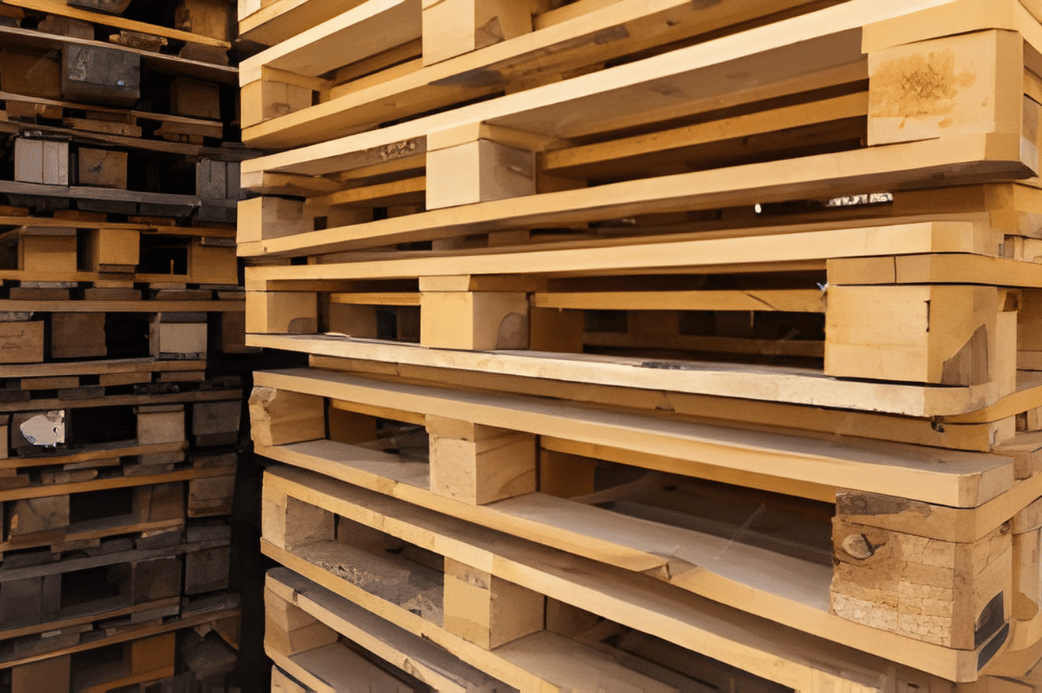
Shipping fragile products without the right support is a logistical liability. One slight mishandling or unstable load can cause significant losses. When durability, load stability, and cost-effectiveness intersect, wood pallets for shipping stand out as an enduring choice. Their structural integrity, widespread availability, and adaptability make them a go-to option for businesses that need reliable transit for delicate items.
Durability Under Pressure
Unlike plastic alternatives, wood pallets are designed to handle heavier and more awkwardly shaped loads without deformation. They offer superior resistance to dynamic pressure and external shocks, which are common in transit environments. This is particularly beneficial for fragile goods that require not just cushioning, but a stable base that doesn’t flex or give under weight.
Wooden pallets excel in scenarios where variability in weight and packaging is frequent. Their rigidity helps keep goods level and protected throughout loading, transit, and unloading phases. Whether stacked in warehouses or moved by forklifts, their resilience ensures consistent load support.
Shock Absorption and Stack Stability
A primary concern in fragile product logistics is the ability to absorb vibrations and protect against sudden impacts. Wood has natural shock-absorbing properties that reduce the force transferred to sensitive items. Unlike rigid plastic that can transmit every bump through the load, wood offers a slightly forgiving surface that dampens impact and minimizes the risk of internal product movement.
Furthermore, wooden pallets offer excellent stackability. Their uniform frame supports multi-layered loading without collapsing under vertical pressure. This allows better cube utilization in storage and transportation, maximizing space without compromising product integrity.
Repairability and Operational Longevity
Another key benefit of wood pallets is their repairability. In high-volume operations, damaged pallets are a reality. With wood, cracks and breaks can be easily repaired, extending usability and keeping replacement costs low. This contrasts with plastic pallets, which often need complete replacement when damaged, raising long-term operational costs.
When comparing plastic pallets vs wood pallets, businesses often find that the latter provides a more flexible, scalable solution, particularly when handling non-standard or fragile loads. Their ability to be tailored, modified, and repaired makes them a logical choice for operations needing dependable, long-term performance.
Cost and Sustainability Benefits
Wood pallets are also cost-effective from a procurement standpoint. Their production involves readily available materials, and local sourcing further reduces lead times and transport overhead. In addition, wood is biodegradable and recyclable, making it a favorable choice in sustainability-driven supply chains.
Used pallets can be repurposed or broken down into components for reuse, which aligns with corporate initiatives aiming to minimize waste. This adds another layer of value beyond durability, contributing to environmental responsibility while keeping costs under control.
Conclusion
For fragile product transport, securing stability, shock resistance, and cost control is critical. Wood pallets meet all three demands with a proven track record in industrial shipping. Their structural integrity reduces product damage, their repairability enhances long-term value, and their compatibility with various handling systems ensures seamless operations.
Businesses handling sensitive freight can’t afford to compromise on pallet quality. Wood pallets offer the balance of durability and flexibility required in fast-paced, high-risk shipping environments. Long-term, their use not only minimizes product loss but also contributes to more predictable logistics and higher operational confidence.