Basements are one of the most common places for mold to grow, and one of the easiest to overlook. Due to poor ventilation, high humidity, and water intrusion, these spaces often become perfect breeding grounds for mold colonies. Once it takes hold, it spreads fast, damaging structures and degrading air quality.
The key is professional mold removal in Douglasville services that do more than surface cleaning. Getting rid of mold in your basement starts with proper identification and ends with thorough environmental control.
Why Mold Thrives in Basements
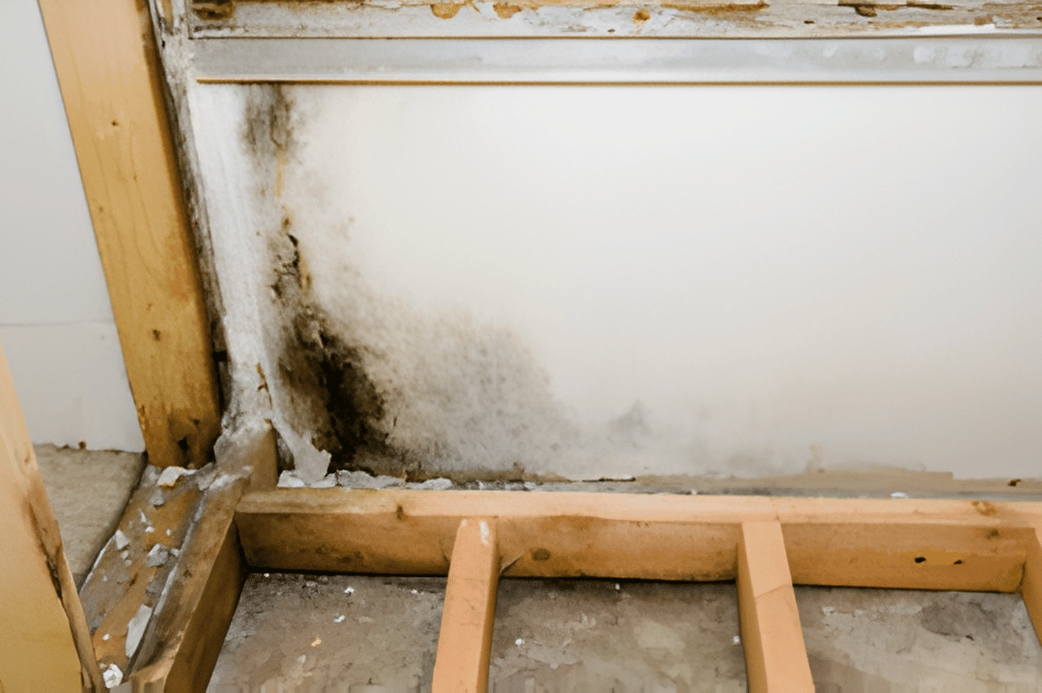
Basements offer everything mold needs: darkness, moisture, and organic materials. From unfinished concrete walls to wooden framing and old insulation, mold spores settle and expand when moisture is introduced. Leaks, flooding, poor drainage, or condensation from HVAC systems all contribute to the issue. What makes basement mold more dangerous is how often it’s left undetected, either behind walls, under carpets, or near sump pumps.
Many homeowners first notice the problem by asking what mold smells like when a musty, damp odor becomes persistent. That scent is usually the first sign of a much deeper problem hiding in porous materials or trapped air pockets.
Steps Professionals Take to Remove Basement Mold
A surface wipe won’t fix this problem; true remediation follows a multi-step process.
1. Inspection and Containment
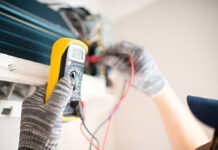
The first step is a thorough inspection using moisture meters and infrared tools to detect hidden mold. Once identified, the area is sealed off to prevent cross-contamination. This includes setting up containment barriers and negative air pressure systems.
2. Mold Removal
Contaminated materials like drywall, wood, or insulation are removed. Non-porous surfaces are cleaned using antimicrobial agents and HEPA vacuums. All affected zones are treated to eliminate both mold and lingering spores in the air.
3. Drying and Dehumidification
Professionals then dry out the basement completely. Dehumidifiers, fans, and structural drying tools are used to stabilize moisture levels and prevent regrowth. The goal isn’t just removal, it’s restoration of a dry, balanced environment.
4. Root Cause Correction
Addressing the moisture source is critical. Whether it’s repairing leaks, redirecting downspouts, or installing vapor barriers, technicians will make sure your basement stays dry. Without this step, the mold will simply come back.
Prevention Strategies After Remediation
Keeping your basement mold-free is a long-term strategy.
- Maintain humidity levels below 50%
- Install a high-efficiency dehumidifier year-round
- Repair plumbing issues and foundation cracks immediately
- Keep gutters and drainage systems clear
- Avoid storing cardboard or organic materials directly on concrete
Even after remediation, monitoring moisture levels and ventilation is essential for preventing recurrence. Small oversights in a basement can lead to expensive structural problems if mold returns.
Conclusion
Basement mold is more than a nuisance; it’s a threat to your home’s structure and your indoor air quality. While it may start unnoticed, its impact quickly spreads, especially if the moisture source isn’t corrected. Professional remediation is the only effective way to eliminate the problem at its root. From removal to prevention, a targeted approach ensures your basement stays dry, clean, and mold-free, now and well into the future.