
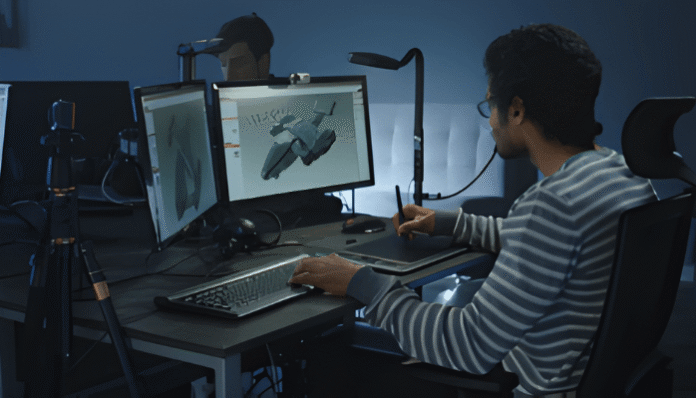
Innovation in design is no longer just about imagination; it’s about execution. The professionals of 3D digital artwork in Fort Lauderdale are at the forefront of this transformation, redefining how product prototypes are visualized, refined, and brought to market. The integration of 3D design tools into prototyping has reshaped product development cycles, reducing production costs while enhancing visual precision and creative freedom. Within the first stages of concept design, 3D digital artwork bridges the gap between abstract ideas and tangible outcomes.
The Shift from Traditional Prototyping to Digital Precision
Traditional prototyping once relied on physical materials, time-consuming processes, and multiple revisions. Today, 3D digital artwork allows designers to visualize every contour, texture, and material in a virtual environment before committing to physical production. This evolution accelerates project timelines while minimizing costly errors.
In industries such as automotive, consumer electronics, and fashion, digital prototypes have become indispensable. They allow design teams to experiment with scale, ergonomics, and visual aesthetics without wasting resources. This streamlined workflow not only improves efficiency but also fosters innovation by encouraging rapid iteration and creative exploration.
The Integration of Art and Engineering
The power of 3D digital art lies in its fusion of artistic vision with technical accuracy. Designers can manipulate digital models in real-time, adjusting lighting, material reflectivity, and surface details to mirror real-world conditions. This capability ensures that every prototype is both functional and visually compelling.
Understanding the role of 3D digital art in creating memorable logos further illustrates how digital design transcends surface-level aesthetics. The same principles, depth, form, and balance are applied to product visualization, ensuring prototypes are not only accurate but also emotionally engaging. By leveraging advanced rendering techniques, artists transform conceptual designs into persuasive visual narratives that resonate with clients and stakeholders alike.
Enhancing Collaboration and Innovation
3D digital prototyping promotes a more collaborative development environment. Design teams, engineers, and marketing professionals can view and interact with the same digital model, aligning vision and feedback seamlessly. This eliminates miscommunication and enhances decision-making accuracy at every stage of development.
Virtual modeling tools also facilitate faster revisions. Adjustments that once took days can now be made in minutes, allowing teams to pivot and refine designs in real-time. This agility is critical for companies competing in fast-moving markets where design innovation drives brand differentiation.
Sustainability and Efficiency Through 3D Design
Beyond aesthetics and speed, 3D digital artwork supports sustainability initiatives. By reducing the need for multiple physical prototypes, organizations significantly cut down on material waste and energy consumption. Digital modeling also allows for early testing of product durability, assembly, and ergonomics, further minimizing the environmental footprint associated with traditional manufacturing.
As sustainability becomes an operational priority, 3D prototyping stands out as both a creative and ethical solution, merging efficiency with ecological responsibility.
Conclusion
3D digital artwork has redefined the blueprint of product prototyping, merging artistry, technology, and innovation into a unified process. Designers now possess the ability to conceptualize, iterate, and perfect ideas with unprecedented accuracy and speed. The visual realism achieved through digital rendering not only enhances client presentations but also drives smarter manufacturing decisions.
In this evolving digital landscape, artists and engineers alike are discovering new ways to communicate ideas visually and functionally. The integration of 3D digital artwork into prototyping is not just a design enhancement; it’s a complete reimagining of how products are envisioned, developed, and delivered in the modern marketplace.